
The Pitfall of “Agricultural Land”: What You Need to Know When Looking for Rural Property
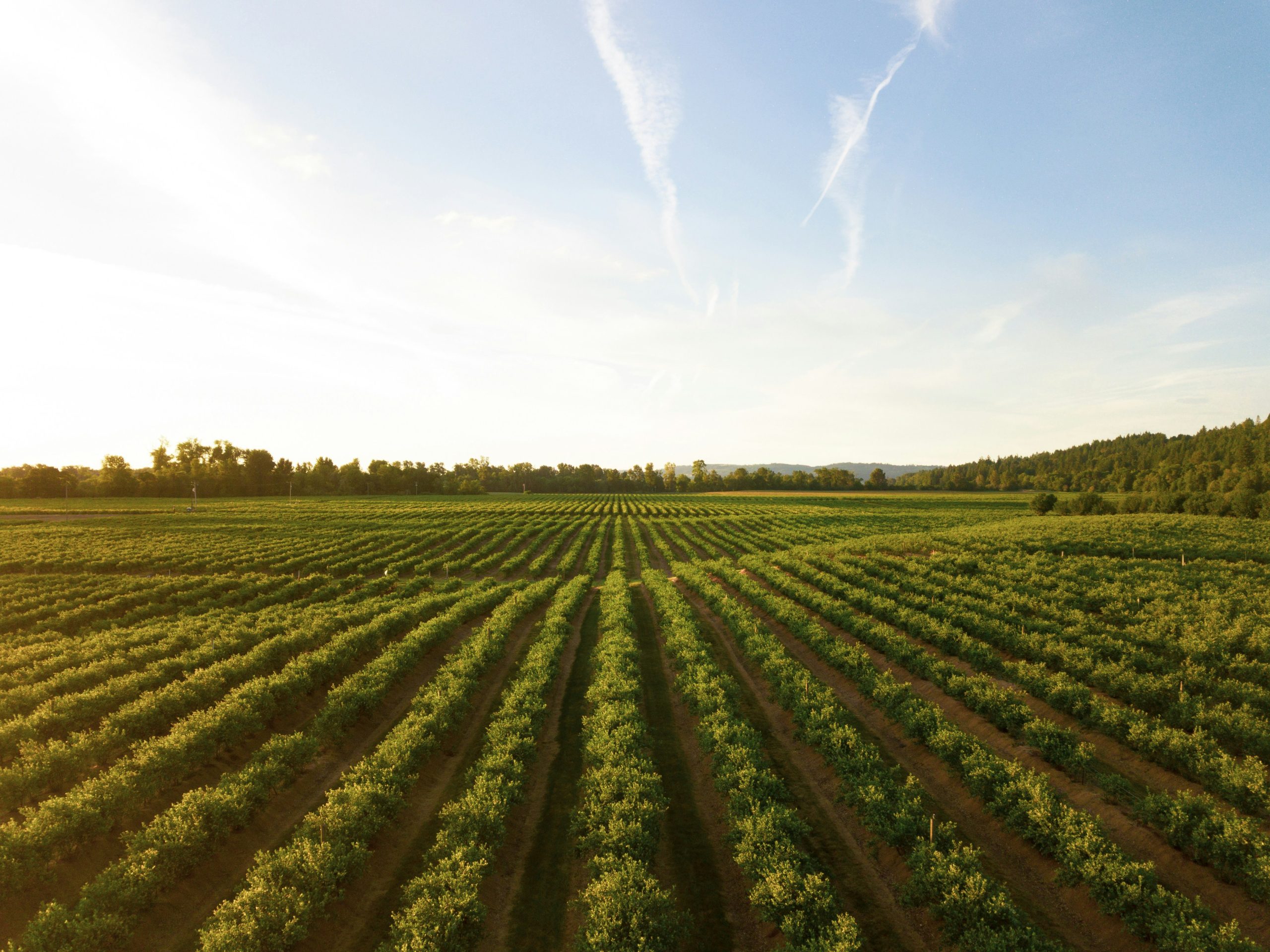
Many people dream of buying a cheap, old house in the countryside to use as a vacation home or a base for their second chapter in life. Indeed, there are surprisingly affordable properties available in regional Japan. However, when considering a property with a large plot of land, there is one crucial thing to watch out for: “agricultural land” (nōchi).
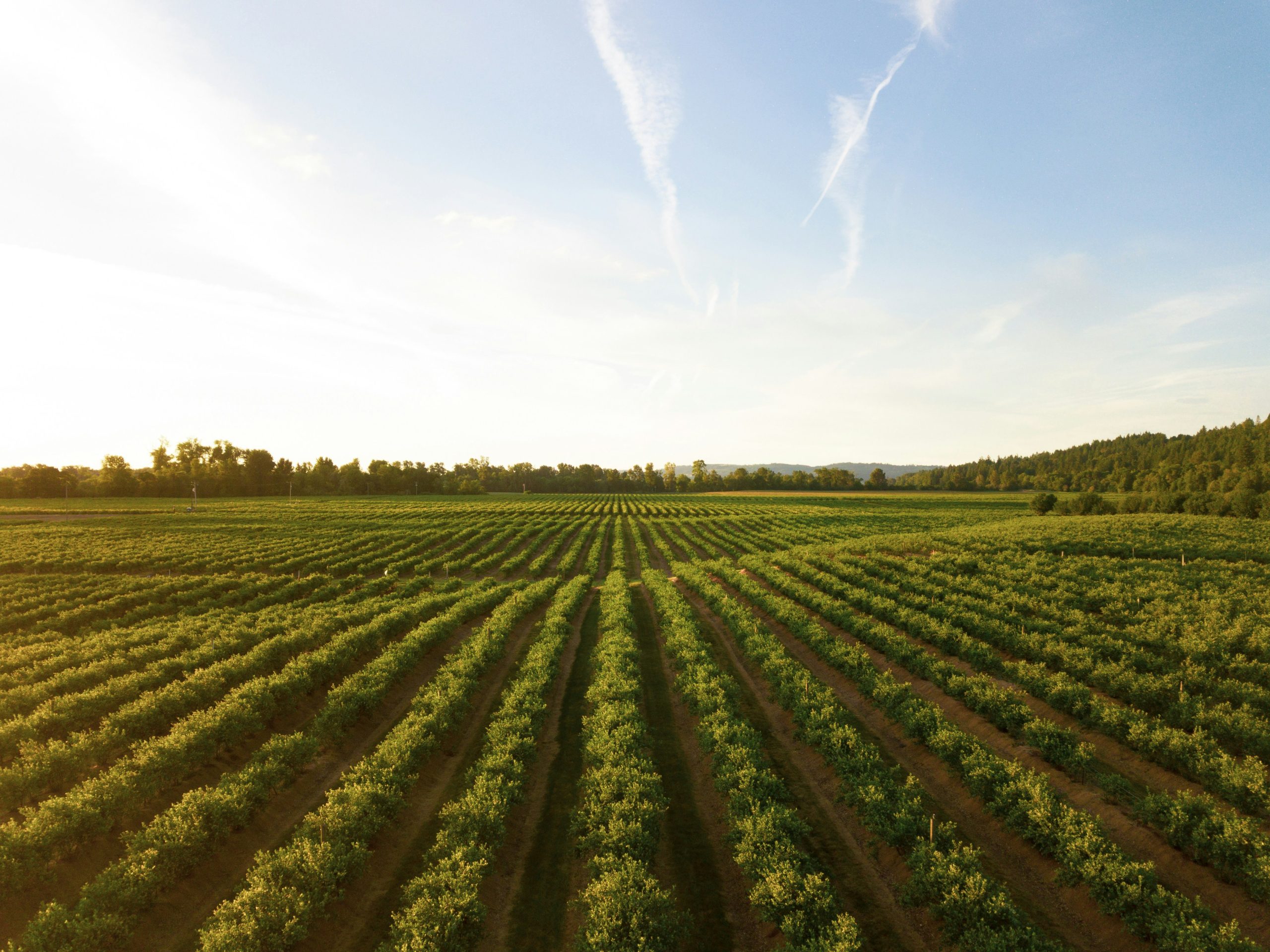
In this context, “agricultural land” has nothing to do with whether vegetables or rice are currently being grown there. It refers to land categorized as paddy fields (ta) or dry fields (hatake) on the official property registry. Even if it hasn’t been cultivated for years and is overgrown with weeds, if it is registered as agricultural land, it is legally treated as such. Many spacious rural properties come as a package deal consisting of the residential land (takuchi) where the house stands and the adjacent agricultural land—and that is where the pitfall lies.
Why Is Agricultural Land So Tricky?
The sale and land-use conversion of agricultural land are strictly regulated by Japan’s Agricultural Land Act. This legal system was established to protect the nation’s agricultural production base by ensuring that farmers own the land they cultivate and by preventing unregulated land conversions. Therefore, unlike residential land, a transaction cannot be completed simply because the buyer and seller agree on terms.
If you purchase agricultural land to keep it as agricultural land (under Article 3 of the Agricultural Land Act), you need permission from the local municipal Agricultural Committee. Previously, there was a minimum area requirement stipulating that the buyer must cultivate a certain acreage after approval, but this requirement was abolished in an April 2023 legal revision. Nonetheless, other conditions remain, such as proving that the buyer actually intends to farm continuously and has secured the necessary machinery and labor. In short, sales to individuals with no intention of farming are generally not permitted.
On the other hand, converting agricultural land for non-agricultural uses, such as residential land (under Articles 4 and 5), presents an even higher hurdle. In particular, for farmland located in Urbanization Control Areas or designated Agricultural Zones, location standards are strict, and approval for conversion is often denied outright. Penalties for unauthorized conversion have also been toughened in recent years.
Standards Vary by Municipality
What makes things especially tricky is that these approval criteria are not governed by uniform nationwide numbers; rather, much is left to the discretion and operation of each municipality’s Agricultural Committee. Even for the same type of land, local responses vary widely:
- Regions that only permit sales to individuals actively engaged in agriculture.
- Regions that allow sales on the condition that the buyer permanently settles in the area.
- Regions that apply unique guidelines or require additional explanations regarding acquisitions by foreign nationals.
In other words, what is permissible in a neighboring municipality might be rejected in yours. When considering a property, you must check directly with the Agricultural Committee of the specific municipality where the property is located.
When You Are Finally Ready to Buy
Even if you meet the Agricultural Committee’s criteria and are cleared to purchase, the following procedures are required:
- Applying for Article 3 permission (or Article 4/5 permission if converting the land use) with the Agricultural Committee.
- Obtaining the official permit certificate.
- Registering the transfer of ownership at the Legal Affairs Bureau with the permit attached.
Unlike standard residential real estate sales, you cannot proceed with ownership registration immediately upon signing the contract. It can take several weeks to a few months for permission to be granted, so you need to plan your timeline with ample leeway.
“Buying Only the Residential Portion” Is Not So Simple
You might think, “Why not just buy the residential portion where the house stands?” While this is theoretically possible, it rarely works out smoothly in practice. Many sellers prefer to dispose of all their land and buildings together. Furthermore, splitting the land could leave the residential portion failing to meet legal road-access requirements (setsudō gi’mu).
Summary
When a rural property includes agricultural land, handling it is rarely straightforward. Standards differ by municipality, and negotiations require both time and effort. While the road ahead can be complex, if you find a property you like, do not rush into a contract. We strongly recommend consulting with experts first—such as real estate agents, administrative scriveners (gyōsei shoshi), judicial scriveners (shiho shoshi), and the local Agricultural Committee.



Join The Discussion