

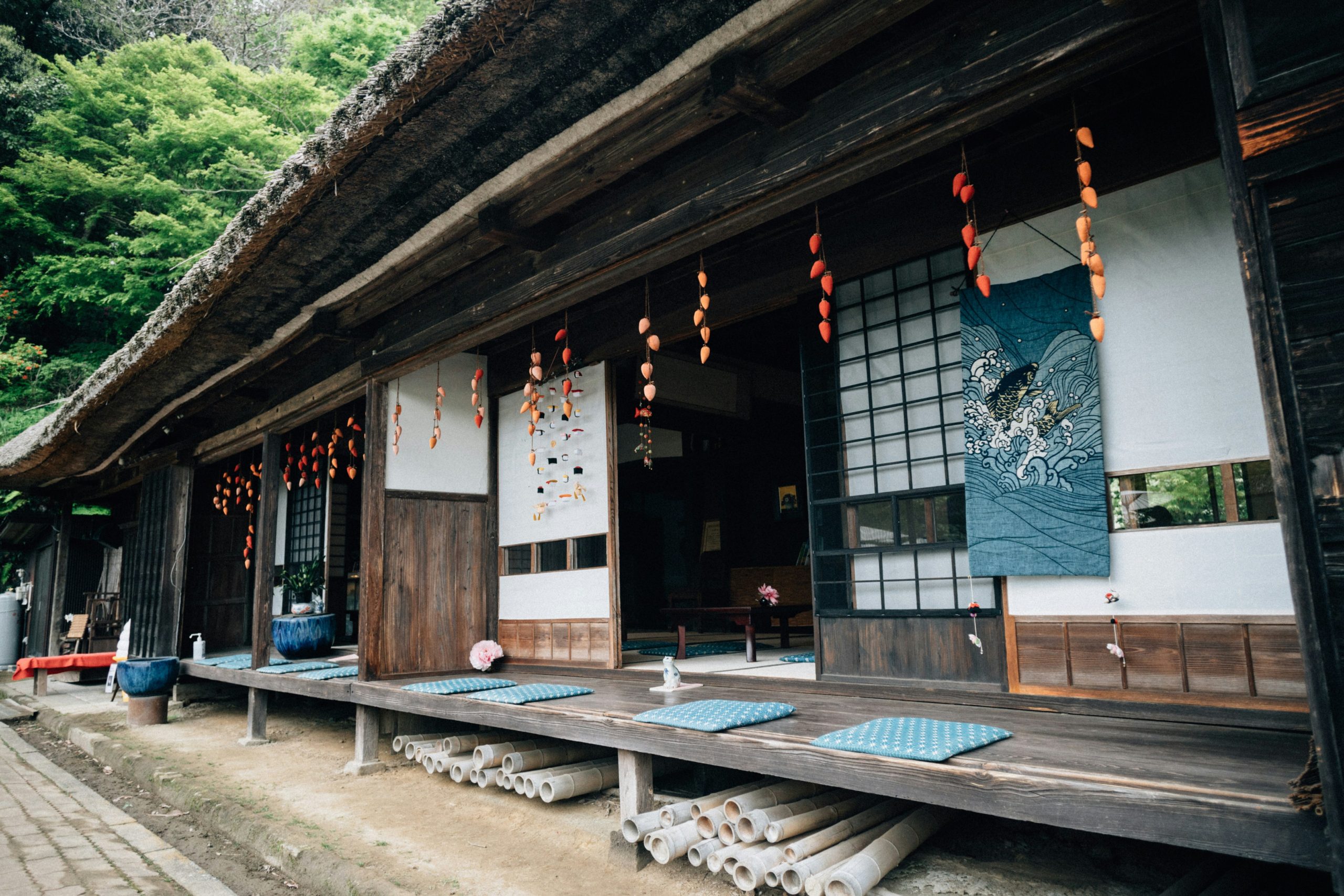
In recent years, the word “akiya” (vacant house) has gained widespread international recognition. Social media and video platforms are flooded with catchy headlines like “Buy a house in Japan for next to nothing,” “Make a fortune with a DIY renovation,” or “Live a slow life in a traditional house.” While interest in vacant property investment is surging both in Japan and abroad, the actual market is far from simple. From a real estate professional’s perspective, let’s break down the reality and true potential of akiya.
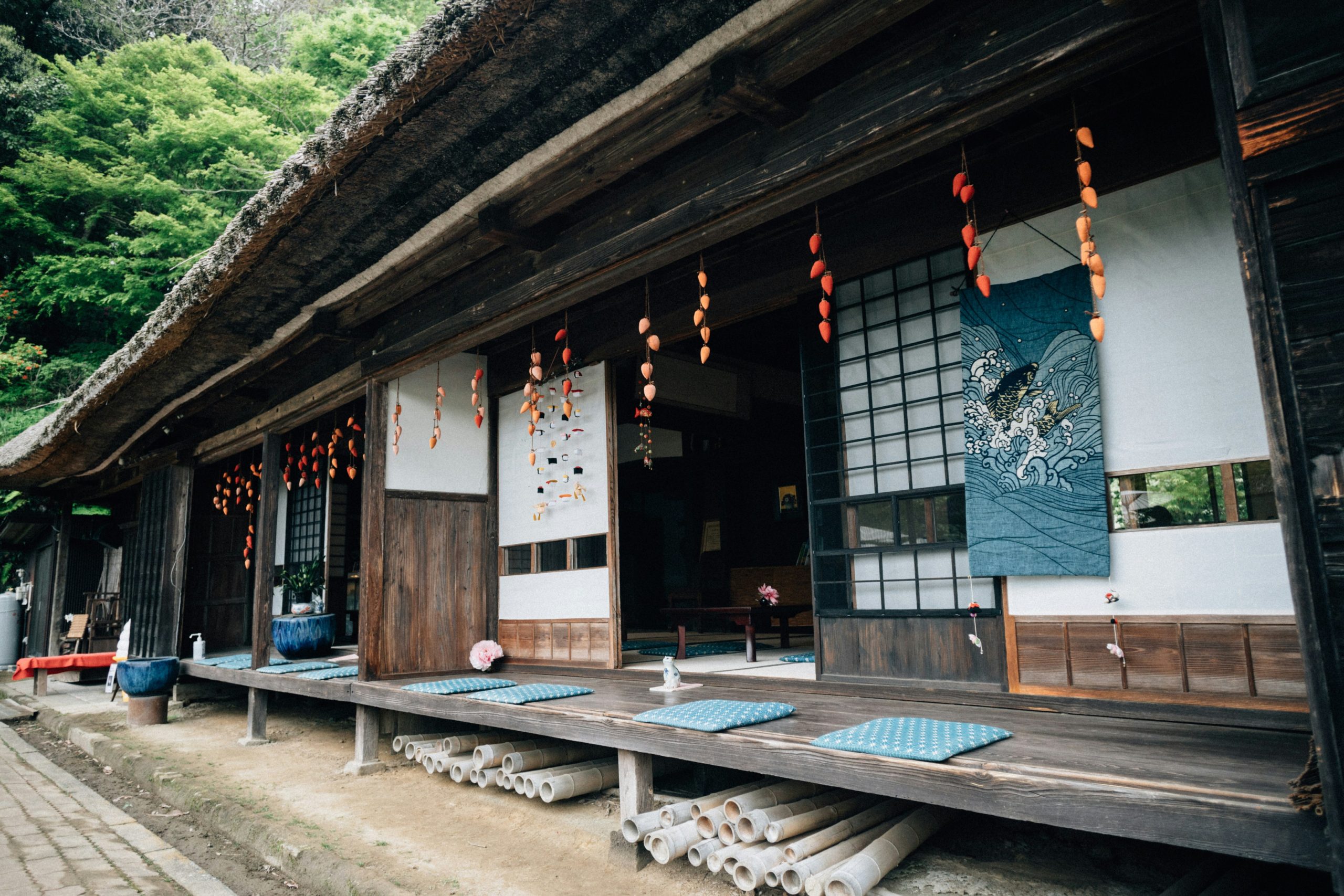
First, people often picture a dilapidated, abandoned shack when they hear the word akiya. However, the technical definition is much broader: it simply refers to “any housing that is currently unoccupied.”
This includes homes that are sitting empty because the owner passed away and the heirs haven’t figured out what to do with them, or properties where the owners have relocated for work but continue to perform basic, routine maintenance.
In short, akiya does not automatically equal a dangerous ruin. The inventory spans everything from 100-year-old traditional farmhouses (kominka) to relatively modern 3LDK (three-bedroom) suburban homes built just 20 years ago. Many of these properties are reasonably new and can be put to good use with just a few minor touch-ups.
Is Akiya Actually a “Lucrative Investment”?
From an investor’s point of view, vacant homes possess a unique appeal.
Owners of unused properties often face various headaches—such as ongoing fixed asset taxes, the burden of maintenance, or the difficulty of managing a house from a distance. Because of this, sellers are sometimes willing to negotiate terms that are highly favorable to the buyer, much more so than in standard real estate transactions.
Furthermore, if you approach the transaction not just looking for a bargain, but offering solutions—such as taking care of leftover belongings or taking over maintenance duties—you are far more likely to close the deal.
However, one must be cautious about the blanket assumption that akiya equals high returns.
Japan’s population is shrinking, and in certain regions, rental demand itself is incredibly weak. Moreover, because of zoning laws, commercial restrictions, and strict vacation rental regulations, it is rarely as simple as “turn it into an Airbnb and watch the cash roll in.”
In recent years, unless a rental property is located near a train station—specifically, a convenient station where rapid or express trains stop—it is not uncommon to struggle to find tenants or be forced to slash rent. The same goes for hotels and vacation rentals; proximity to commercial districts, tourist attractions, or transportation hubs heavily dictates profitability.
High returns usually come with a higher purchase price. Even if a building is in terrible shape, its location is something everyone can judge objectively, meaning good spots will always command a premium. As a result, many investors find their actual yields falling short of expectations.
The Entirely Different World of “Dilapidated & Abandoned Property” Investing
Within the broader category of akiya, properties that fall into the “dilapidated” or “abandoned” category present an entirely different type of investment challenge.
Properties that have been neglected for years despite being in great locations often come with hidden strings attached: tangled ownership rights among multiple heirs, unresolved inheritance disputes, a lack of legal road access (making rebuilding illegal), or complex land lease arrangements. Buying simply because “it’s cheap” can land you with unexpected liabilities.
That being said, a careful study of local dynamics can shift your perspective. For instance, an old residential pocket in the countryside might seem unappealing at first glance, but if there is a major corporate factory nearby, there may be a steady demand for workforce housing or corporate dormitories. If you can tap into a niche demand that deviates from standard residential markets, the investment can work out beautifully.
In this realm, having an “eye for the neighborhood” is just as critical as having an “eye for the property.”
What to Check Before You Buy
With older homes, post-purchase repair costs are a massive variable. You must pay special attention to the roof and structural integrity. If there is an active roof leak or rot in the frame, repairs can quickly skyrocket beyond your budget.
On the flip side, a little ingenuity can save you a lot of money. For example, instead of digging up and replacing old, underground gas pipes entirely, you can often run new lines above ground to update the system relatively cheaply.
Additionally, you can visit the local city hall and water bureau beforehand to verify that the water pipes don’t cross into neighboring lots, ensure property boundaries are clear, and confirm whether the building can legally be rebuilt. In real estate, “finding out after you buy” is a costly mistake; thorough due diligence is paramount.
Even So, Old Houses Have a Unique Charm
Reading this far, you might think akiya investment sounds overly daunting. Yet, restoring an old house offers a sense of fulfillment that goes beyond mere numbers.
Rethinking a floor plan, repainting walls, and giving a forgotten space a new purpose is incredibly rewarding. For those who enjoy DIY projects and renovations, the sheer experience of resurrecting value with your own hands is a major draw in itself.
Good Deals Don’t Just Fall into Your Lap
Finally, let’s talk about sourcing properties. Generally speaking, properties widely available on public real estate portals have already been vetted and passed on by numerous buyers. Deals that are an “obvious steal to anyone” are incredibly rare.
Because of this, serious players in the akiya space prioritize boots-on-the-ground research: walking the neighborhoods, building relationships with local brokers, researching ownership records, and talking to neighbors.
While real estate auctions (foreclosures) are another option, bidding prices have surged in recent years, making them less attractive than before. They also carry significant risks—such as the inability to inspect the interior beforehand or dealing with lengthy eviction processes if the property is still occupied—so they require cautious consideration.
An akiya is more than just cheap real estate. It is a community issue, an asset, and sometimes a house filled with a family’s memories. At the same time, it represents an opportunity to create fresh value through creativity. Rather than getting swept up in the media hype, taking the time to truly look at the community and the building is the real first step to successfully navigating the world of akiya.




Join The Discussion